⏱️ Reading time: 8 minutes
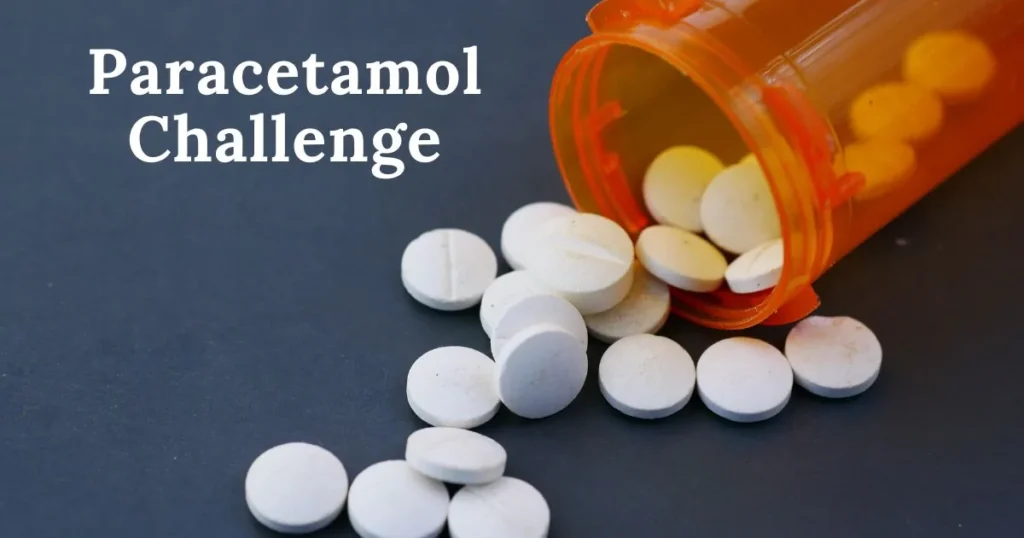
The “paracetamol challenge” is a so-called social media dare that pushes teenagers to deliberately poison themselves with paracetamol (acetaminophen in the US). It is dangerous, sometimes fatal, and it does nothing for you: no high, no buzz. Official warnings went out in Switzerland and France in early 2025, then in Belgium in February 2026. If you think someone has taken too much, call a poison center or emergency services right now, even if they feel fine. Numbers by country are below. And if you make content, no dare is worth your health: there are safe ways to grow your TikTok followers.
What is the paracetamol challenge?
As health authorities describe it, the idea is simple and senseless: young people dare each other to swallow too much paracetamol, the most common painkiller in the medicine cabinet, to see who “lasts” longest in hospital or to prove they’re brave. We deliberately won’t go into more detail than that.
Two things to know straight away. First, paracetamol does not get you high. Belgium’s medicines agency (FAMHP) said it plainly on February 6, 2026: it has no psychotropic effect, even at high doses. People who try it get nothing except poisoned.
Second, there are very few videos of the challenge itself. Euronews Health, which looked into it in February 2026, found that searching TikTok mostly brings up health professionals and news outlets warning against it. The dare spreads more by word of mouth, in schoolyards and group chats, than through viral clips. That doesn’t make it less real: teenagers have ended up in hospital.
What happened between 2023 and 2026?
This challenge comes back in waves. Here are the verified facts, in order:
- August 2023, United Kingdom: Donna Jones, chair of the Association of Police and Crime Commissioners, told BBC Radio 4 that teenagers aged 15 to 17 in Southampton had reportedly dared each other to overdose. TikTok said it had “seen no evidence” to support the claims and that it had blocked searches linked to dangerous challenges for years (Cosmopolitan UK, August 15, 2023). Several European countries issued warnings that summer.
- January 20, 2025, Belgium: the Belgian Poison Centre warned teenagers, parents and schools. Dr Gerlant Van Berlaer of UZ Brussel noted that paracetamol poisoning is among the top ten causes of pediatric intensive care admissions (Brussels Times).
- January 30, 2025, Switzerland: the cantons of Fribourg, Jura and Vaud issued an alert and asked pharmacies to take extra care when selling to young people (Swissinfo, January 31, 2025).
- February 12 and 19, 2025, France: four teenagers were treated on the same day at the hospital in Montauban, at least one of whom said they had taken part. France’s medicines agency ANSM responded on February 19, pointing out that paracetamol overdose is the leading cause of drug-related liver transplants in France and asking pharmacists to be extra careful when dispensing to minors (Vidal, February 20, 2025).
- February 6, 2026, Belgium: the challenge resurfaced. The FAMHP reported overdose cases among Belgian teenagers, and the EpiCURA hospital group confirmed it had treated three young patients in February (Euronews Health, February 23, 2026). Warnings followed in Finland, Spain and Portugal.
As of this article, September 2026, no new official alert has been issued since February. But the pattern is clear: the dare fades for a few months, then comes back.
Why is it so dangerous?
Because paracetamol, harmless at the recommended dose, attacks the liver when you take too much. The damage can be severe and irreversible, leading to acute liver failure, a liver transplant or death. The Belgian Poison Centre also mentions kidney and brain damage.
The trap is the delay. For the first few hours, the person may feel almost normal. Signs such as nausea, vomiting, stomach pain, tiredness and jaundice may only show up after 24 to 48 hours, according to Swiss authorities. Yet hospital treatment works best at the very start. Waiting to “see how it goes” wastes precious time.
Emergency doctor Gérald Kierzek explains it in this video for French health site Doctissimo:
@doctissimo Faire une overdose de paracétamol, est-ce possible ? 💊 Le docteur Kierzek vous en dit plus sur ce challenge très dangereux qui circule dans les écoles. #santé #actu #paracétamol
What should you do if in doubt? Numbers by country
The rule is the same everywhere: don’t wait for symptoms. If in doubt, call. Poison services answer around the clock and tell you exactly what to do.
- Call a poison center or emergency services (list below).
- Keep the medicine packet at hand, and if possible a rough idea of when it was taken.
- Don’t make the person vomit and don’t give them food or drink unless a medical professional tells you to.
- If they pass out, struggle to breathe or have a seizure, call emergency services straight away.
- United Kingdom: emergency 999. NHS 111 for urgent advice (the National Poisons Information Service is for health professionals, so the public goes through 111). Samaritans: 116 123.
- Ireland: emergency 112 or 999. National Poisons Information Centre public line: 01 809 2166. Samaritans: 116 123.
- United States: emergency 911. Poison Help: 1-800-222-1222. Suicide and Crisis Lifeline: 988.
- Canada: emergency 911. Contact your provincial poison centre (Quebec: 1-800-463-5060). Suicide Crisis Helpline: 988.
- Australia: emergency 000. Poisons Information Centre: 13 11 26. Lifeline: 13 11 14.
If it was deliberate, it’s never “just a game”. A dare can hide real distress. The helplines above are there for that too, for the person involved and for the people around them.
How do you talk about it with a teenager?
Doctors and pharmacists keep making the same point: prevention works better through conversation than through fear or flat bans. A few pointers:
- Ask rather than accuse: “Have you heard about this dare at school?” opens the door. “I forbid you to…” shuts it.
- Give them the simple facts: paracetamol doesn’t get you high, it damages the liver, and the damage happens quietly. The gap between “you feel nothing” and “you can die from it” tends to stick.
- Talk about dares in general: Benadryl, Kool-Aid Man, blackout… The mechanism is always the same, peer pressure and the urge to get views.
- Lock medicines away: a closed cabinet, no unnecessary stock, expired packs taken back to the pharmacy. It’s the most concrete step you can take.
- Tell them they can call you without getting in trouble: if a friend has taken something, what matters is that they dare to tell an adult or call a poison center immediately.
How do you report a video on TikTok?
TikTok’s rules ban content that shows or encourages dangerous challenges, and the platform says it has blocked related searches for years. If you still come across a video pushing this dare:
- Press and hold the video, or tap the share arrow.
- Choose “Report”, then the reason covering dangerous activities and challenges.
- Don’t share it, not even to mock it: every share pushes it further.
TikTok also has a help page on online challenges aimed at teens and parents. For creators, posting this kind of dare can get the video removed and the account restricted or suspended. To grow an account, safe and regular content plus a starting audience of TikTok views are routes that carry no risk for you or your viewers.
Health outlets also run prevention directly on the app, like Gezondheid en Wetenschap in Belgium during the February 2026 wave:
@gezondheid.en.wetenschap De paracetamol challenge circuleert opnieuw op TikTok.
Creators: grow without putting your account at risk
Dangerous dares get videos removed and accounts suspended. Healthy growth comes from safe content and a follower base that gives new visitors confidence.
FAQ
Is the paracetamol challenge real? facts
Does paracetamol get you high at high doses? myth
What should you do if a teen took part? emergency
What is the poison control number? numbers
What is TikTok doing about it? platform
Our TikTok offers
-
TikTok
Buy Tiktok Followers
Price range: 2,90 € through 999,90 € View offers This product has multiple variants. The options may be chosen on the product page -
TikTok
Buy TikTok likes
Price range: 3,90 € through 1999,90 € View offers This product has multiple variants. The options may be chosen on the product page -
TikTok
Buy Tiktok Shares
Price range: 5,90 € through 6999,90 € View offers This product has multiple variants. The options may be chosen on the product page -
TikTok
Buy TikTok views
Price range: 2,90 € through 794,90 € View offers This product has multiple variants. The options may be chosen on the product page